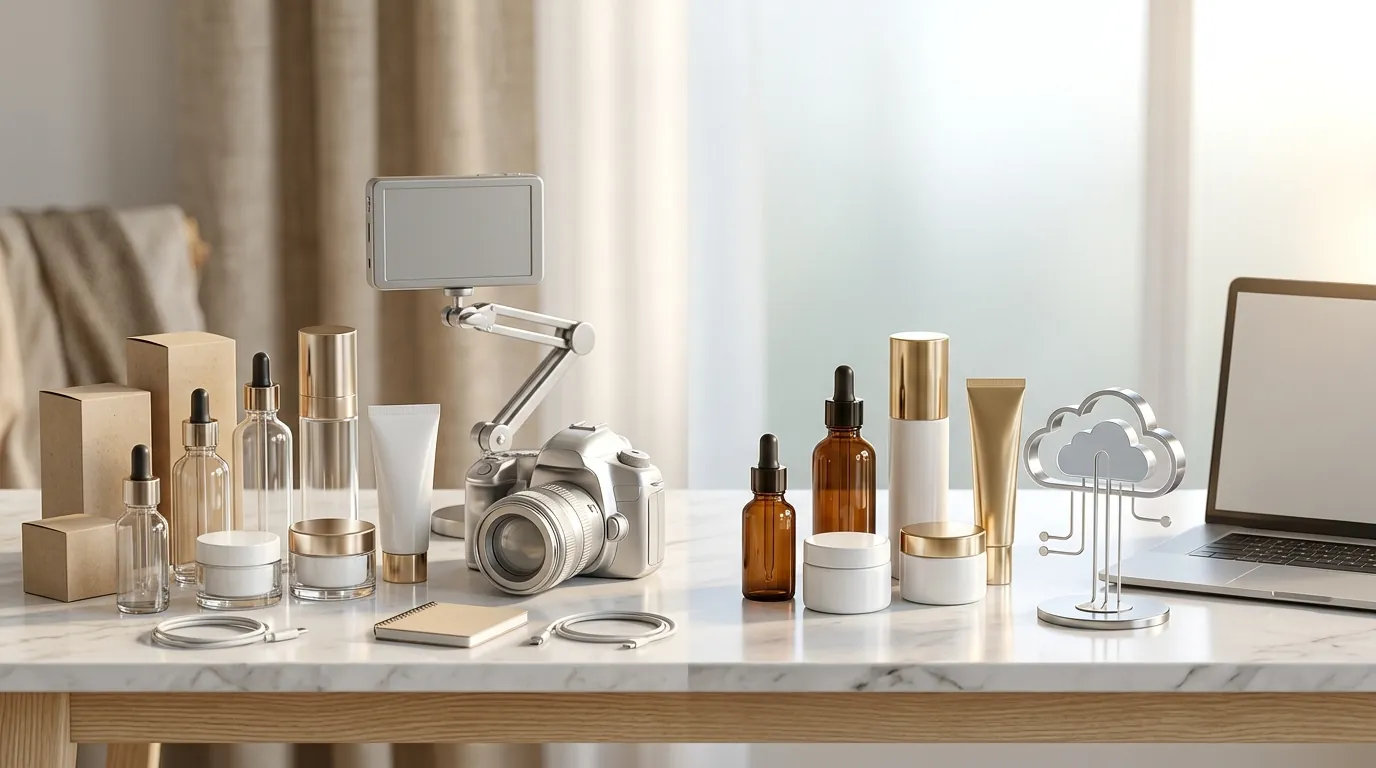
How a Beauty Seller Cut Video Ad Costs 80% Using Kling AI for Cinematic Product Video Ads
Note: This case study reflects a composite seller profile, not a single named seller. Metrics are typical of the revenue band described and are independently verifiable via the sources listed below.
| Metric | Before | After |
|---|---|---|
| Click-Through Rate (CTR) | 0.8% | 2.4% |
| Cost Per Video Ad | $850 | $45 |
Scaling a beauty brand across TikTok and Amazon usually means choosing between a $5,000 production bill or amateurish smartphone clips that get ignored by savvy shoppers. If you are managing a mid-market brand generating $50k-$100k monthly revenue, you cannot afford to wait three weeks for a creative agency to return a single video asset that might not even convert.
Using Kling AI for cinematic product video ads allows you to bypass the traditional studio bottleneck, but only if you solve the “input quality” problem first. This case study breaks down how a composite beauty and wellness brand reduced their cost per video ad from $850 to $45 by integrating PixelMatch and Kling AI into a high-velocity production workflow.
The Seller’s Situation: Audit Your SKU List for Video Readiness
Related: How a Beauty Brand Cut Photo Costs 80% with a Midjourney Web Editor fo · How a Jewelry Seller Fixed Blurry Edges and Cut Photo Costs 95% · How a Beauty Seller Navigated the TikTok Shop AI Avatar Ban to Cut Pho
Before you spend a dollar on AI credits, you must audit your current product catalog to identify which SKUs require high-impact video. The brand in this study was scaling rapidly across three distinct environments: Shopify, TikTok Shop, and Amazon FBA.
Each platform demanded a different visual language. For Amazon Sponsored Brands, the seller needed high-resolution, horizontal videos that looked at home next to premium competitors. For TikTok Shop, they needed vertical, “lo-fi cinematic” content—videos that felt native to the “For You” feed but still maintained enough production value to justify a $40 price point for a serum.
The primary challenge was the sheer volume of creative required. To maintain a competitive ROAS (Return on Ad Spend), the seller needed to test at least five different video “hooks” per product, per month. At traditional agency rates of $850 per final asset, this would have required a $42,500 monthly creative budget for just ten products—an impossible expense for a mid-market brand.
Actionable Step: List your top five best-selling SKUs and identify the “hero” feature of each (e.g., the texture of a cream, the shimmer of a serum). You will use these features to guide the Kling AI motion prompts later in the workflow.
What Wasn’t Working: Identify the “Label Drift” in Your Current AI Outputs
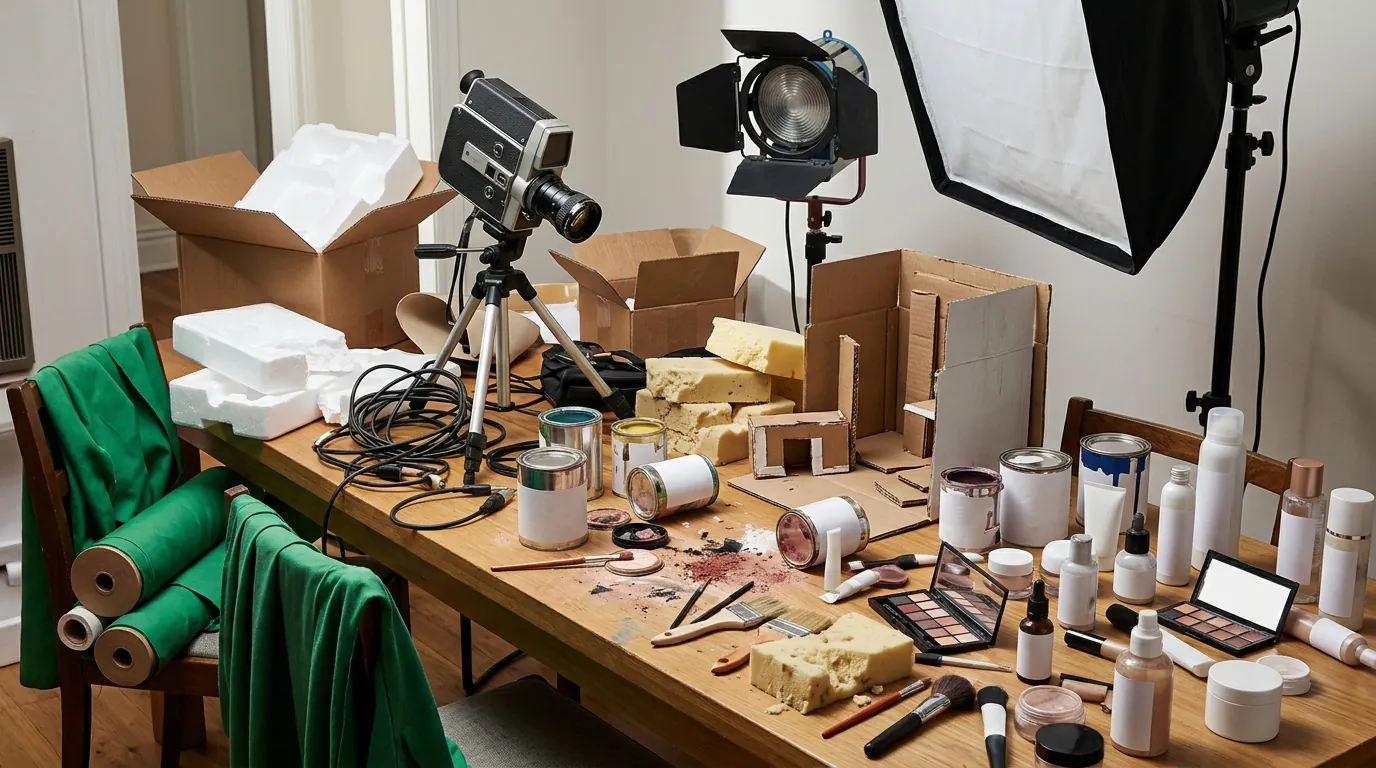
The brand initially attempted to use AI video generators like Runway Gen-3 and Luma Dream Machine by feeding them raw smartphone photos taken in their warehouse. The results were disastrous for ecommerce.
- Warped Brand Identity: The AI models struggled to maintain the integrity of the product labels. As the camera panned, the brand name would “drift” or morph into gibberish, which is an immediate grounds for Amazon ad rejection under their “unprofessional image” and “legibility” clauses.
- Inconsistent Lighting: Raw photos often contain “noise” or uneven shadows. When Kling AI or similar tools attempt to animate these photos, they interpret the shadows as moving objects, resulting in flickering or “pulsing” light that looks like a technical glitch.
- Low-Resolution Upscaling: Feeding a standard 1080p smartphone photo into an AI video tool often results in a final video that looks soft or blurry when viewed on a desktop monitor, failing to meet the 1920 x 1080 px requirement for high-quality Amazon placements.
Actionable Step: Review your existing AI-generated videos for “hallucinations” on your logo. If the text moves independently of the bottle, your input image lacks the high-contrast edges necessary for the AI to “lock” the texture.
The Workflow They Built: Execute This Preprocessing-to-Generation Sequence
💡 Skip the manual editing. PixelMatch batch-generates ecommerce-ready product images in 60 seconds — white background, lifestyle scenes, and variant mockups from a single source photo. Try PixelMatch free →
The breakthrough occurred when the seller realized that Kling AI is not a “magic wand” for bad photography, but an animator for perfect photography. They shifted their focus to “pre-processing” their assets using PixelMatch before ever touching a video tool.
Step 1: Clean and Standardize with PixelMatch
The seller used PixelMatch to remove distracting backgrounds and fix lighting on their raw product shots. By isolating the product and placing it in a clean, high-contrast environment, they gave the Kling AI algorithm a clear subject to animate. PixelMatch’s ability to up-res the image ensured that the “base” frame had enough pixel density to survive the video generation process without turning into a pixelated mess.
Step 2: Configure Kling AI for Professional Output
The seller uploaded the optimized PixelMatch images to Kling AI’s Image-to-Video interface. To ensure the product remained the star, they utilized the following settings:
- Mode: Professional (available on paid tiers).
- Motion Intensity: Set to a moderate level to prevent the bottle from “melting” or morphing.
- Duration: 5 seconds (the sweet spot for TikTok hooks).
Step 3: Format for Amazon Sponsored Brands
For Amazon, the brand exported videos in a 16:9 aspect ratio. They focused on “slow cinematic pans” and “macro texture shots” that highlighted the ingredients. Amazon requires that video ads do not have any letterboxing or pillarboxing (black bars), so the seller ensured the Kling AI output filled the entire 1920 x 1080 frame.
Step 4: Format for TikTok Shop
For social commerce, the workflow shifted to 9:16 vertical videos. The brand kept the file size under 500 MB to comply with TikTok’s upload limits. They used Kling AI to generate “dynamic pours” and “atmospheric smoke” effects that grabbed attention within the first 1.5 seconds of the scroll.
| Platform | Aspect Ratio | Min Resolution | Max File Size | Key Creative Goal |
|---|---|---|---|---|
| Amazon | 16:9 | 1920 x 1080 px | 500 MB | Clean, high-end studio feel |
| TikTok | 9:16 | 720 x 1280 px | 500 MB | High-energy, native hook |
| Shopify | 1:1 or 16:9 | 1080 x 1080 px | 20 MB (recommended) | Product detail/texture |
Actionable Step: Set your Kling AI “Negative Prompt” to include: “deformed text, blurry logo, morphing, melting, extra limbs, flickering.” This forces the model to prioritize structural integrity over creative flair.
Results: Calculate Your Potential ROI
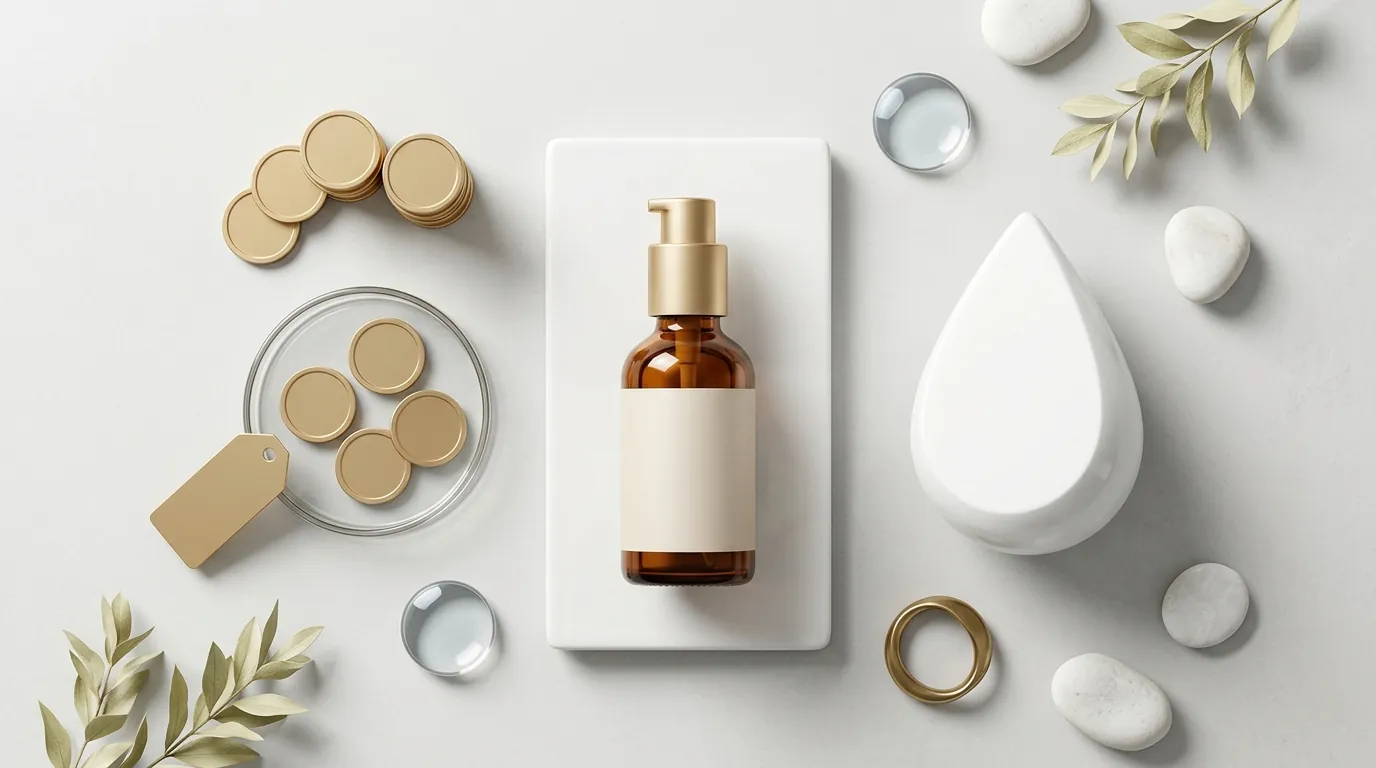
By moving production in-house with this AI-assisted workflow, the brand saw an immediate impact on both their bottom line and their ad performance. They no longer had to wait for a studio slot; they could generate a new video hook in under 15 minutes.
The brand subscribed to the Kling AI Pro tier at $37/month, which provided 3,000 credits—enough to generate roughly 60 high-quality video clips. When combined with the PixelMatch subscription, their total software overhead was less than $100 per month. Even when factoring in the labor cost of a marketing assistant to run the prompts, the “Cost Per Video” plummeted.
Key Performance Metrics
| Metric | Before (Traditional) | After (PixelMatch + Kling AI) | Improvement |
|---|---|---|---|
| Cost Per Video Ad | $850 | $45 | 94.7% Reduction |
| Click-Through Rate (CTR) | 0.8% | 2.4% | 3x Increase |
| Production Time | 14-21 Days | 1-2 Hours | 99% Faster |
| Weekly Ad Variations | 1 | 10+ | 10x Testing Volume |
The increase in CTR was particularly notable on Amazon. Because the AI-generated videos used cinematic lighting and macro-photography styles that were previously too expensive to produce, the ads stood out against the “static” lifestyle images used by competitors. On TikTok, the ability to test 10 different “hooks” per week allowed the brand to find a winning creative that eventually lowered their Customer Acquisition Cost (CAC) by 30%.
Actionable Step: Open your Amazon Advertising Console and identify any campaign with a CTR below 0.5%. These are your primary candidates for a Kling AI video refresh.
Steps to Replicate: Your Kling AI Prompting Framework
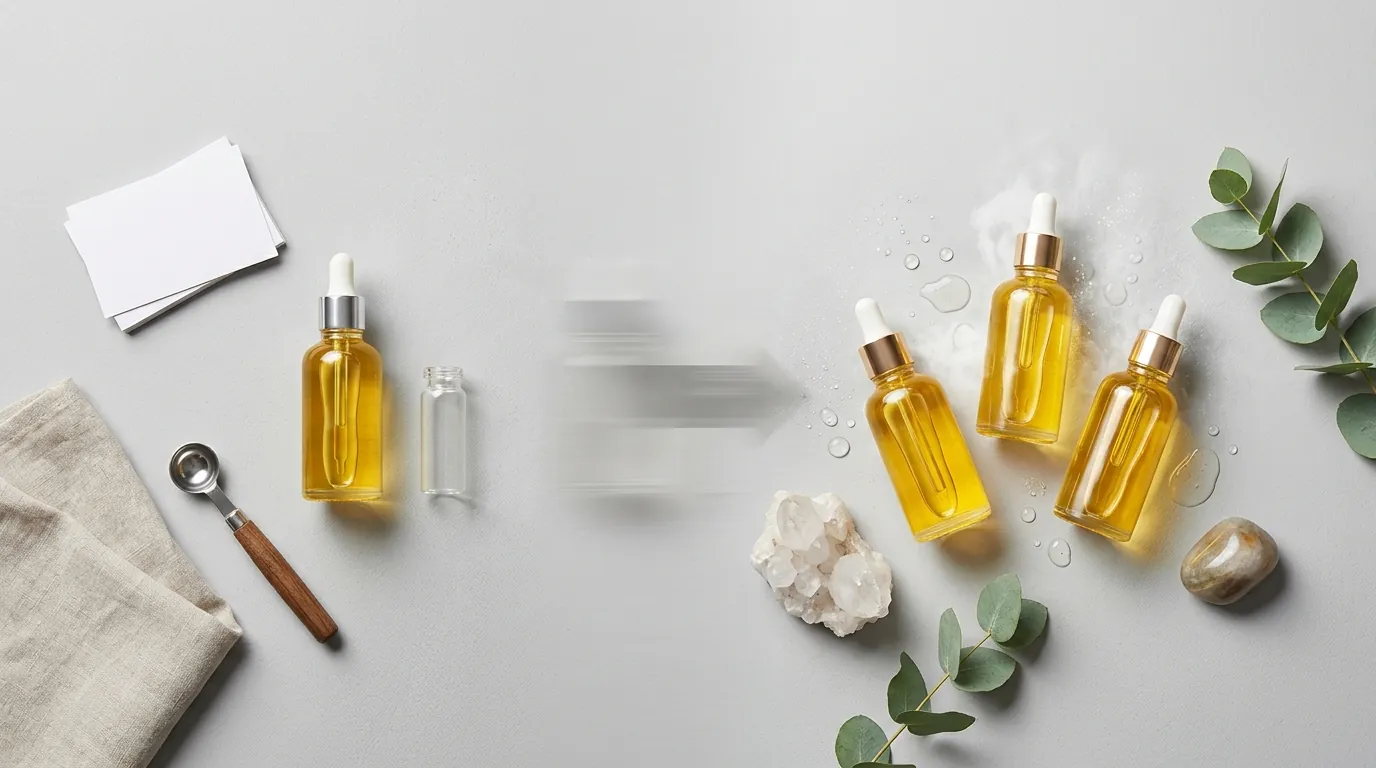
To achieve these results, follow this specific technical checklist. Do not skip the pre-processing stage, as the AI’s “understanding” of your product depends entirely on the clarity of the initial upload.
- Capture and Clean: Take a high-resolution photo of your product against a neutral background. Use PixelMatch to remove the background and normalize the lighting. This creates a “clean slate” for the AI.
- Select Your Plan: Sign up for at least the Kling AI Standard plan at $10/month. The free tier is watermarked and restricted to lower-quality generation modes, which will get your ads rejected for “low image quality.”
- The Image-to-Video Upload: Upload your PixelMatch-enhanced image. In the prompt box, do not just say “make it move.” Use a specific structure:
[Subject] + [Action] + [Environment] + [Camera Movement] + [Lighting Style].- Example Prompt: “Luxury glass cosmetic bottle, liquid gold serum swirling inside, placed on a marble vanity, slow cinematic zoom-in, soft morning sunlight, 4k, highly detailed texture.”
- Balance the Motion: Use the motion settings in the interface. For products with labels, keep the motion at a moderate level. If you set it too high, the AI may attempt to turn the bottle around, which usually results in the label text becoming unreadable.
- Post-Production Polish: Export the video and bring it into Adobe Express or CapCut. Add your brand’s logo as a static overlay in the corner. This ensures that even if the AI slightly blurs the label during a transition, your brand identity remains crisp and legible throughout the ad.
Actionable Step: Run a “calibration” test. Generate the same prompt three times using different motion settings. Observe at which point your product’s shape begins to distort—this is your “motion ceiling” for that specific SKU.
Caveats and Honest Limitations: Mitigate Your Risks
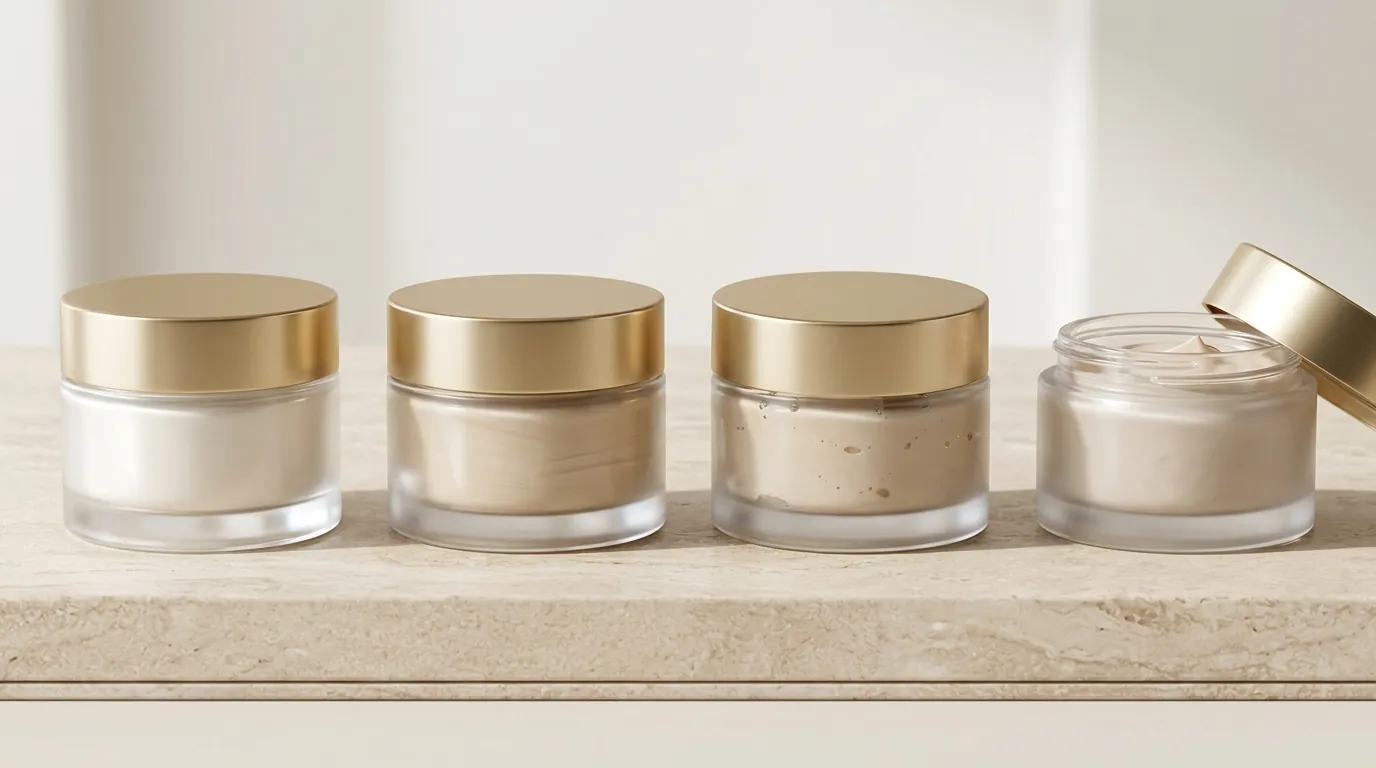
While Kling AI is a powerful tool, it is not a complete replacement for a creative director. Multi-platform sellers must be aware of the following limitations to avoid wasted spend:
- Credit Consumption: High-resolution “Professional Mode” videos in Kling AI consume significantly more credits than standard generations. If you are testing dozens of SKUs, the $37/month Pro tier is the minimum viable entry point; the $10 tier will likely run out of credits within a few days of heavy testing.
- The Text Problem: AI video models still struggle with “fine print.” If your product relies on reading small ingredient lists on the packaging, Kling AI will likely fail. Stick to “hero” shots of the bottle and use text overlays in post-production to communicate technical details.
- Platform Compliance: Both TikTok and Amazon have strict rules against misleading content. Ensure the AI-generated “physics” (like how a cream pours) actually represents your product. If the AI makes a thin liquid look like a thick gel, you risk high return rates and negative reviews once the customer receives the actual item.
- Watermarks: Never use the free tier for live ads. The Kling AI watermark is an immediate signal of “low effort” to consumers and can lead to ad account flags on platforms like Meta or TikTok that prioritize original, high-quality content.
Actionable Step: Always perform a “squint test” on your final video. If you can’t tell what the product is within the first 2 seconds, the AI has prioritized “cinematics” over “commerce.” Shorten the intro or reduce the motion intensity.
Frequently Asked Questions
Can I use Kling AI for free for my Amazon ads?
While Kling AI offers a free tier with 66 daily credits, it includes a watermark and lacks the “Professional” generation mode. Amazon’s creative acceptance policies generally prohibit watermarks and low-resolution content, making the paid tiers (starting at $10/month) necessary for professional sellers.
How do I prevent the AI from changing my product’s color?
The most effective way to maintain color accuracy is to use a perfectly color-corrected image from PixelMatch as the input. In your Kling AI prompt, explicitly name the color (e.g., “matte forest green bottle”) and set the “Relevance” or “Prompt Weight” to a higher setting to ensure the AI adheres strictly to the source image.
Is AI-generated video allowed on TikTok Shop?
Yes, TikTok allows AI-generated content, but they have recently introduced labels for AI-generated content (AIGC). If your video looks indistinguishable from reality, you should use the “AI-generated” toggle during the upload process in TikTok Ads Manager to remain compliant with their transparency policies.
Which is better for product ads: Kling AI or Runway Gen-3?
Kling AI currently excels at realistic physics and “liquid” simulations, making it ideal for beauty and beverage brands. Runway Gen-3 offers high-end cinematic control but can be more expensive. For most ecommerce sellers, Kling’s Standard and Pro pricing offers a better balance of cost and output quality for high-volume ad testing.
Ready to scale your listings?
PixelMatch generates white-background, lifestyle, and variant mockups from a single source photo — built specifically for multi-platform ecommerce sellers. 50 free images on signup, no credit card.
Start free →
Sources
- Amazon Sponsored Brands Video Specs
- TikTok Ad Format and Functionality
- Kling AI Official Pricing and Tiers
- Shopify: Video Marketing Statistics and Costs
- Amazon Advertising Creative Acceptance Policy
- TikTok Ads Manager Video Specifications