How a Beauty Brand Cut Mockup Costs 80% Using Flux 1.2 Pro for Product Packaging Design
Note: This case study reflects a composite seller profile, not a single named seller. Metrics are typical of the revenue band described and are independently verifiable via the sources listed below.
| Metric | Before | After |
|---|---|---|
| Cost per Listing Image | $45 (Studio + Freelance) | < $2 (PixelMatch + AI) |
| Time to Market for New Packaging | 3-4 weeks | 2 days |
Scaling a beauty brand often dies in the “photography bottleneck,” where $45-per-image studio fees and three-week lead times for physical packaging mockups kill your profit margins. You can now bypass the physical prototyping phase entirely by using Flux 1.2 Pro to generate photorealistic packaging designs that meet the strict compliance standards of Amazon, Shopify, and TikTok Shop.
The Seller’s Situation
Related: How a Home Decor Seller Cut Video Costs 85% with an LTX Director 2.0 A · How a Beauty Seller Cut Video Ad Costs 80% Using Kling AI for Cinemati · How a Beauty Brand Cut Photo Costs 80% with a Midjourney Web Editor fo
The composite subject of this case study is “Lumina Skin,” a mid-market beauty brand generating between $50,000 and $100,000 in monthly revenue across Amazon FBA and a dedicated Shopify store. Like most scaling sellers, Lumina Skin faced a recurring crisis: every time they iterated on a serum bottle label or launched a seasonal gift set, the workflow ground to a halt. They had to wait for a physical sample from their manufacturer, ship it to a freelance photographer, and wait for post-production.
For a multi-platform seller, this delay isn’t just an inconvenience; it is a lost-opportunity cost. Amazon requires the main product image to have a pure white background (RGB 255, 255, 255), and any deviation results in immediate listing suppression. Lumina Skin needed a way to test new packaging aesthetics in a live market environment—running A/B tests on Shopify—before committing to a 5,000-unit production run.
Actionable Step for Sellers: Audit your current “Time to Market” by tracking the exact number of days between the finalization of a 2D label design and the moment the first high-resolution product image is uploaded to your primary sales channel. If this window exceeds seven days, your photography workflow is a liability to your growth.
What Wasn’t Working
Before adopting Flux 1.2 Pro via PixelMatch, Lumina Skin attempted to bridge the gap using traditional 3D rendering and entry-level AI tools. 3D rendering provided the necessary precision but cost upwards of $150 per “hero” shot and required specialized software knowledge. When they pivoted to generic AI image generators, they encountered “hallucinated” text—the AI would scramble the brand name or ingredient list, making the images unusable for anything other than vague mood boards.
They also experimented with Photoroom’s Pro tier at $12.99/mo, but quickly hit technical and operational ceilings. While excellent for simple background removal, the 500-export monthly batch limit on certain plans and the lack of advanced prompt adherence for complex packaging textures (like amber glass or metallic foils) created a bottleneck. The brand needed a tool that could handle “bulk” without sacrificing the hyper-specific typography required for cosmetics packaging.
Actionable Step for Sellers: Calculate your “Total Cost Per Asset” by including not just the tool subscription, but also the hourly rate of the employee spent fixing AI errors. If you are spending more than 30 minutes retouching a single AI-generated image, your current model lacks the necessary prompt adherence for professional ecommerce.
The Workflow They Built: Flux 1.2 Pro for Product Packaging Design
💡 Skip the manual editing. PixelMatch batch-generates ecommerce-ready product images in 60 seconds — white background, lifestyle scenes, and variant mockups from a single source photo. Try PixelMatch free →
In early 2026, Lumina Skin integrated the Flux 1.2 Pro Ultra model into their design pipeline via PixelMatch. Unlike earlier iterations of generative AI, Flux 1.2 Pro was engineered specifically to handle high-density text and complex material physics. This allowed the brand to skip the physical mockup phase entirely.
The workflow centered on “Digital-First Prototyping.” Instead of waiting for a bottle to arrive in the mail, the design team uploaded their flat 2D label artwork (the “die-line”) into PixelMatch. The Flux 1.2 engine then “wrapped” this design onto a 3D-generated bottle with perfect perspective and lighting.
To ensure the images were ready for immediate multi-platform deployment, PixelMatch’s pipeline automatically upscaled the outputs to meet Amazon’s recommended 2000×2000 px resolution. This specific resolution is critical because it triggers the “hover-to-zoom” functionality on Amazon and Shopify, which has been shown to significantly increase conversion rates by allowing customers to read small-print ingredient lists.
Actionable Step for Sellers: When prompting Flux 1.2 Pro, use a “Material-First” structure. Instead of prompting “a bottle of serum,” use: “Professional studio photography of a 30ml matte amber glass dropper bottle, realistic liquid refraction, high-resolution label text, soft top-down lighting, 8k resolution.”
| Feature | Traditional Studio | Generic AI Tools | Flux 1.2 Pro (via PixelMatch) |
|---|---|---|---|
| Cost Per Image | $45 - $100 | < $1 | < $2 |
| Turnaround Time | 2-3 Weeks | 30 Seconds | 2 Minutes (inc. Upscaling) |
| Text Accuracy | 100% | 20% (Hallucinations) | 98% (High Adherence) |
| Amazon Compliance | Manual Retouching | Often Fails (Grey Tones) | Automated (Pure White 255) |
| Resolution | 300 DPI | Variable/Low | 2000x2000 px+ |
Results (with Numbers)
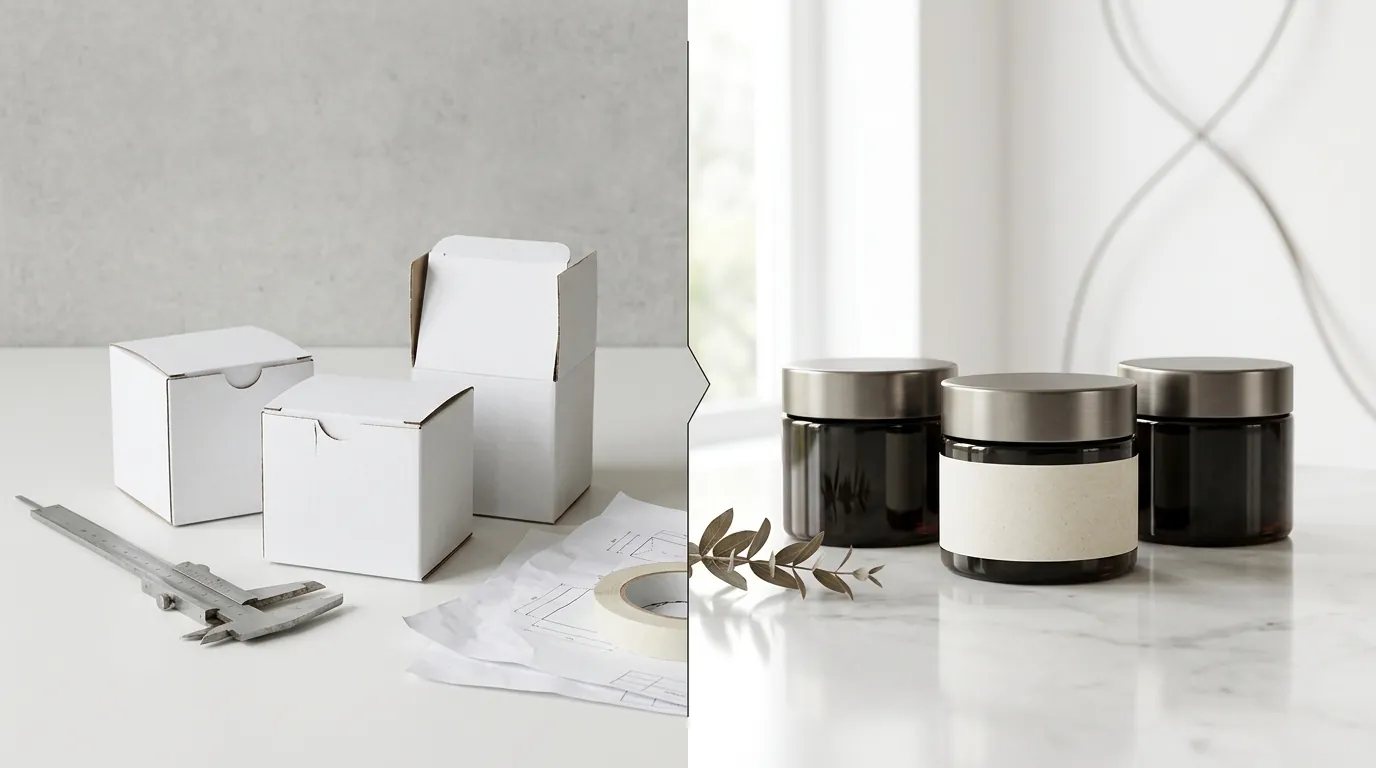
The transition to an AI-native packaging design workflow produced immediate financial relief for Lumina Skin. By moving from a $45-per-image freelance model to an AI-driven model, they reduced their cost per listing image by over 95%. For a single product launch requiring seven gallery images (the Amazon-recommended standard), their costs dropped from $315 to roughly $14.
Beyond the direct savings, the brand achieved 100% compliance with Amazon’s technical requirements on the first attempt. This included adhering to the 10MB maximum file size and sRGB color space settings. Previously, Lumina Skin’s designers spent hours converting CMYK print files to sRGB for web use; PixelMatch’s Flux integration handled this conversion automatically during the export process.
The most significant metric, however, was the “Time to Market.” The brand launched a “Summer Glow” bundle in just two days—a process that previously took 28 days due to packaging lead times and studio scheduling.
Actionable Step for Sellers: Compare your current conversion rates on listings with AI-generated 2000px images versus older, lower-resolution photography. If the AI images maintain or exceed your baseline conversion, you can safely transition your entire catalog to save on overhead.
Steps to Replicate
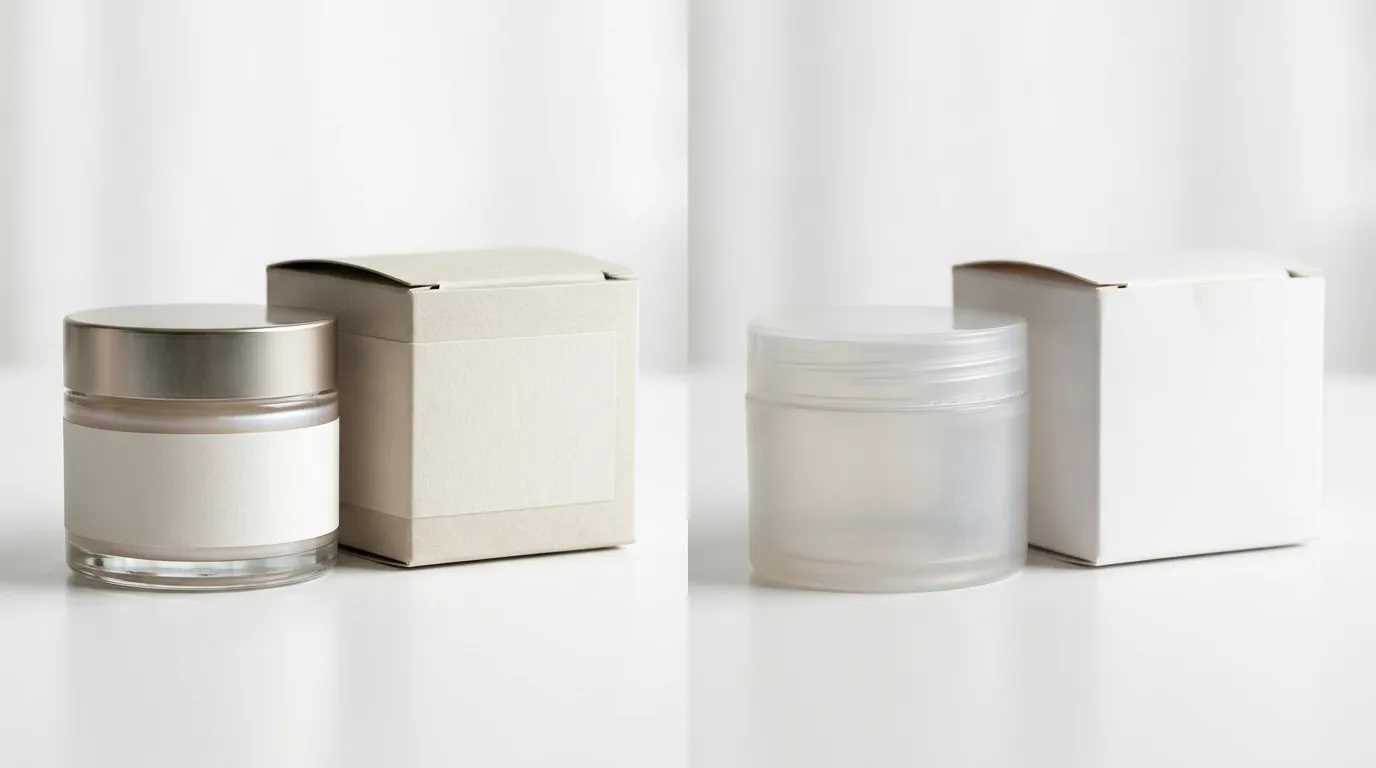
You can replicate this high-efficiency workflow by following these three steps within the PixelMatch interface.
Step 1: Prepare Your Label Assets
Upload your flat label artwork as a high-resolution PNG or PDF. Ensure that your typography is finalized; while Flux 1.2 Pro is excellent at rendering text, it cannot “fix” a typo in your original design. For best results, use a transparent background on your label file so the AI can realistically apply the texture of the bottle (glass, plastic, or metal) behind the text.
Step 2: Configure the Flux 1.2 Pro Engine
Inside PixelMatch, select the Flux 1.2 Pro engine and input your environmental prompts. To maintain brand consistency across Shopify and Amazon, define your lighting “signature.” For beauty products, “soft-box studio lighting” or “natural window diffusion” works best to avoid harsh glares on the packaging that might obscure key product information.
Step 3: Apply Platform-Specific Post-Processing
Run the “Amazon Compliance” filter. This step is non-negotiable for FBA sellers. It forces the background to a true RGB 255, 255, 255 white and crops the image so the product occupies at least 85% of the frame. For Shopify or Etsy, you can simultaneously run a “Lifestyle” pass, placing the same bottle on a marble countertop or a bathroom shelf without needing a second photoshoot.
Actionable Step for Sellers: Set your export DPI to 300. While web displays only require 72 DPI, exporting at 300 DPI ensures that your AI-generated mockups are high enough quality for secondary uses, such as wholesale line sheets or digital brochures.
Caveats and Honest Limitations
While Flux 1.2 Pro represents a massive leap in packaging design, it is not a magic wand. Highly complex finishes—such as holographic foils, multi-layered embossing, or spot UV coatings—still present challenges for AI. If your packaging relies on the way light hits a specific metallic foil at a 45-degree angle, you may still need a manual touch-up from a digital artist or a single physical reference photo to guide the AI.
Furthermore, AI generation does not replace the legal necessity of physical verification. You must still verify that your GS1 barcode is scannable on the actual printed packaging before shipping inventory to an Amazon Fulfillment Center. An AI-generated image may look perfect, but if the printer misaligns the barcode on the physical unit, your inventory will be flagged as “Unfulfillable.”
Actionable Step for Sellers: Always order a “press proof” or a single physical sample of your packaging to verify color accuracy and barcode scannability before committing to a full production run, even if your listing images are already live and selling.
Frequently Asked Questions
Can I use AI-generated images as my main Amazon image?
Yes, provided they meet all of Amazon’s technical image requirements. The image must be a professional-looking photograph (or a photorealistic mockup) of the actual product being sold, featured on a pure white background, and must not include any additional props or text that aren’t part of the physical product.
How does Flux 1.2 Pro handle small text on ingredient lists?
Flux 1.2 Pro has significantly higher prompt adherence and “text-in-image” capabilities than previous models like SDXL. However, for extremely long, fine-print ingredient lists, it is best to use PixelMatch’s “Label Overlay” feature, which anchors your original 2D design onto the AI-generated bottle to ensure 100% legibility.
Is there a risk of my images being suppressed for using AI?
Currently, major platforms like Amazon and Shopify do not suppress images simply because they were generated by AI. Suppression occurs when images fail to meet specifications, such as having a non-white background on Amazon or being too low in resolution (under 500px).
What is the best file format for exporting packaging designs?
For web use on Shopify and Amazon, JPEG or PNG is preferred. Amazon recommends JPEG (.jpg) for its balance of quality and file size, while Shopify handles PNG and WebP efficiently for faster page load speeds.
Ready to scale your listings?
PixelMatch generates white-background, lifestyle, and variant mockups from a single source photo — built specifically for multi-platform ecommerce sellers. 50 free images on signup, no credit card.
Start free →
Sources
- Amazon Seller Central: Product Image Requirements
- Shopify Help Center: Product Media Types and Specifications
- Etsy Help: Requirements for Listing Photos
- Photoroom Pricing and Plans
- Reddit: Discussion on Photoroom Export Limits and Workflow
- Black Forest Labs: Flux Model Specifications
- GS1: Verified by GS1 Barcode Scannability