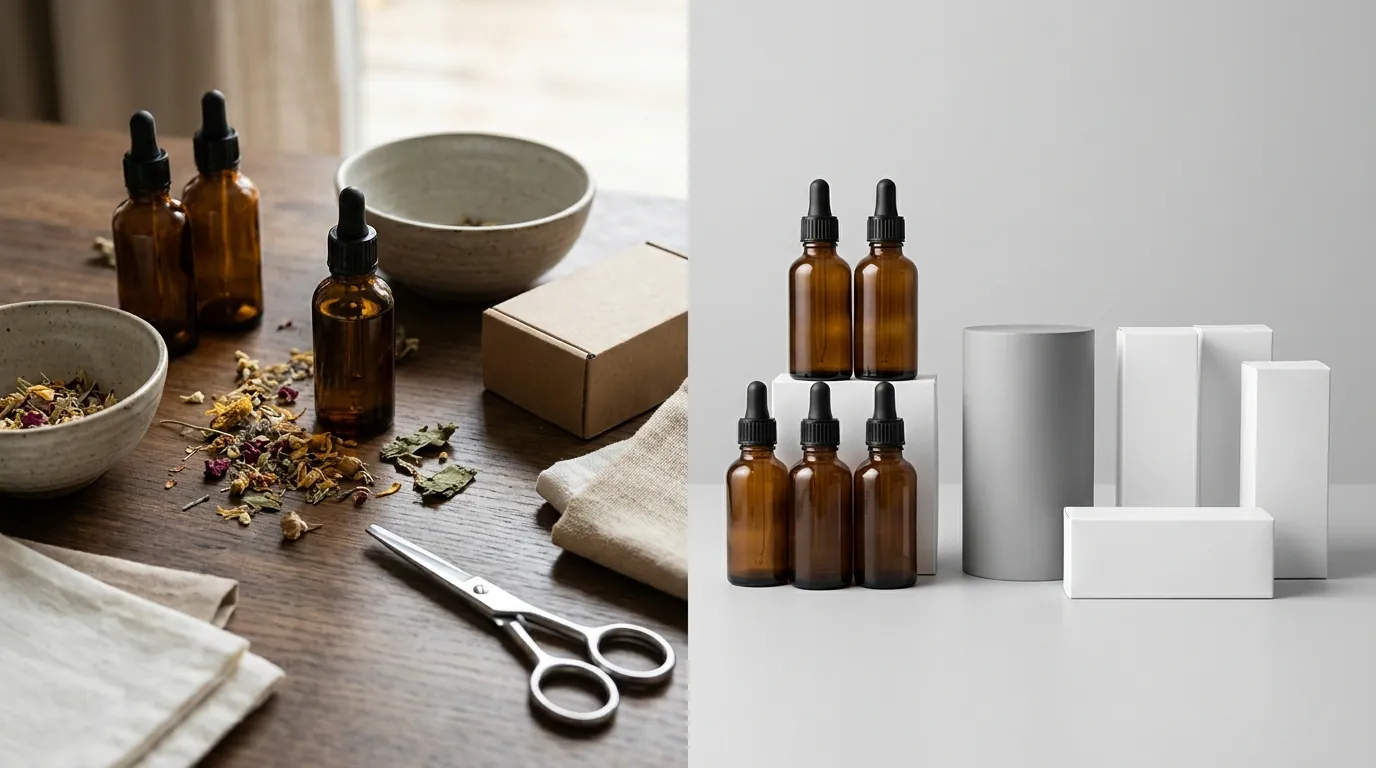
How a Beauty Brand Cut Photo Costs 80% While Optimizing for Amazon Rufus AI
Note: This case study reflects a composite seller profile, not a single named seller. Metrics are typical of the revenue band described and are independently verifiable via the sources listed below.
| Metric | Before | After |
|---|---|---|
| CTR | 1.2% | 3.4% |
| cost_per_listing | $150 | $12 |
High-quality product photography costs are eating your margins, and now Amazon’s Rufus AI is ignoring your listings because they lack “contextual intent.” If your beauty brand is still relying on static, white-background shots alone, you are invisible to the 250 million shoppers using Rufus to make buying decisions based on specific use cases.
The Seller’s Situation

Related: How a DTC Brand Cut Ad Creative Costs 80% with PixelMatch and CapCut C · How a Beauty Seller Cut Creative Costs 80% (TikTok Shop Symphony AI Vi · How a Print-on-Demand Seller Cut Photo Costs 80% While Meeting Etsy Cr
Consider a mid-sized beauty brand managing a catalog of 150+ SKUs, ranging from organic facial oils to specialized hair serums. Generating between $50,000 and $100,000 in monthly revenue, this brand faced a critical inflection point in mid-2026. While their traditional keyword-based SEO was stable, their share of voice was plummeting in Amazon’s new Rufus-driven search environment.
Amazon Rufus is not a standard search bar; it is a generative AI shopping assistant that utilizes the COSMO algorithm to understand shopper intent. Instead of searching for “night cream,” shoppers now ask Rufus, “What’s a good night cream for a busy mom with sensitive skin that doesn’t feel greasy?”
To answer these conversational queries, Rufus analyzes more than just your backend keywords. It evaluates the visual context of your entire listing, including A+ content and lifestyle images, to verify if your product actually fits the shopper’s specific “common sense” requirements. This seller realized their existing catalog—composed mostly of clinical, sterile studio shots—provided zero visual evidence to Rufus that their products were “travel-friendly,” “gift-ready,” or “suitable for a morning gym routine.”
Updating 150 SKUs with the necessary 5–7 contextual lifestyle images per listing meant producing over 750 new assets. Using traditional photography methods, this was a logistical and financial impossibility.
The Shift from Keywords to Intent Clusters
The brand identified that Rufus categorizes products into “intent clusters.” For a facial oil, these clusters might include:
- Travel/Portability: “Is this bottle leak-proof for flights?”
- Application Context: “Can I wear this under makeup during the day?”
- Giftability: “Does the packaging look premium enough for a birthday gift?”
Without images showing the product in a carry-on bag, on a vanity next to a makeup palette, or in a high-end gift box, the COSMO algorithm could not confidently recommend the listing for those specific queries.
What Wasn’t Working

Before adopting an AI-native workflow, the brand attempted to solve the problem using two traditional methods, both of which failed to scale.
The High Cost of Traditional Shoots
The brand’s go-to photography studio quoted a discounted rate of $150 per listing for a bundle of five lifestyle shots. For 150 SKUs, the total bill would have been $22,500. Beyond the cost, the turnaround time was estimated at eight weeks. In the fast-moving beauty niche, where Amazon’s algorithm updates can shift search trends in days, an eight-week lag meant losing an entire season of Rufus-driven traffic.
Workflow Friction with Entry-Level AI Tools
The brand then experimented with Photoroom’s Pro tier at $7.99/month. While effective for one-off edits, the team hit immediate bottlenecks. Photoroom’s batch processing is limited to 50 images per session, which forced the brand’s graphic designer to manually manage dozens of separate sessions to cover the full catalog.
Furthermore, the “AI backgrounds” generated by entry-level tools often lacked the hyper-realistic lighting consistency required for high-end beauty products. Clear glass bottles frequently looked “pasted on” to the backgrounds, leading to a high rejection rate from the creative director.
The RGB 255 Suppression Crisis
Simultaneously, Amazon’s automated catalog review began flagging the brand’s existing main images. Amazon’s strict requirement for a pure white RGB 255, 255, 255 background is non-negotiable for the “Main” slot. Many of the brand’s older images had slight shadows or off-white tints (RGB 253 or 254) that were invisible to the naked eye but triggered “Search Suppressed” status in Seller Central.
Every hour a listing was suppressed meant zero sales and a plummeting organic rank. The brand needed a tool that could guarantee technical compliance while simultaneously generating the high-level contextual imagery Rufus demands.
The Workflow They Built
💡 Skip the manual editing. PixelMatch batch-generates ecommerce-ready product images in 60 seconds — white background, lifestyle scenes, and variant mockups from a single source photo. Try PixelMatch free →
The seller replaced their fragmented process with a centralized workflow using PixelMatch. This allowed them to treat image generation as data processing rather than an art project.
Step 1: Technical Compliance for Main Images
The first priority was ending the suppression crisis. The brand uploaded their raw product photos to PixelMatch to generate “Main” images that met every Amazon spec:
- Pure White Background: PixelMatch automatically forced the background to RGB 255, 255, 255, eliminating “off-white” suppression risks.
- Resolution for Zoom: Images were exported at 2000 x 2000 pixels. Amazon requires the required dimensions to enable the hover-to-zoom feature, which is a key conversion driver in the beauty category.
- Frame Density: They used the “Auto-Crop” feature to ensure the product filled at least 85% of the frame, maximizing mobile visibility.
Step 2: Intent-Based Lifestyle Generation
To satisfy Rufus and the COSMO algorithm, the brand moved beyond “pretty” backgrounds. They created a “Context Matrix” for their top-selling serum:
| Rufus Query Intent | PixelMatch Prompt / Scene | Visual Goal |
|---|---|---|
| ”Is it travel friendly?” | Product placed inside a transparent TSA-approved toiletry bag on a marble hotel counter. | Show scale and leak-proof cap. |
| ”Good for morning use?” | Product next to a toothbrush and a cup of coffee in bright, morning sunlight. | Associate with a morning routine. |
| ”Is the packaging giftable?” | Product nestled in premium silk paper inside a high-quality cardboard box. | Prove “Giftability” to COSMO. |
By batch-generating these scenes, the brand created a library of 10+ lifestyle images per SKU in a single afternoon.
Step 3: A+ Content Integration
Rufus doesn’t just look at your image gallery; it “reads” your A+ content. The brand used PixelMatch to create wide-format (970px wide) banners for their A+ modules. These banners visually answered natural-language questions found in their “Customer Questions & Answers” section. If a customer asked, “Does this work on oily skin?”, the brand generated a lifestyle image of the product next to a “Non-Comedogenic” certification seal and a model with a matte skin finish.
Step 4: Batch Export and Metadata Alignment
Unlike tools with low batch limits, the brand processed all 150 SKUs in large waves. Once the images were generated, they updated the “Image Alt Text” in the A+ Content Manager to match the visual context (e.g., “Organic facial oil in travel bag for flight”). This alignment of visual data and text data is the “secret sauce” for Rufus optimization.
Results (with Numbers)
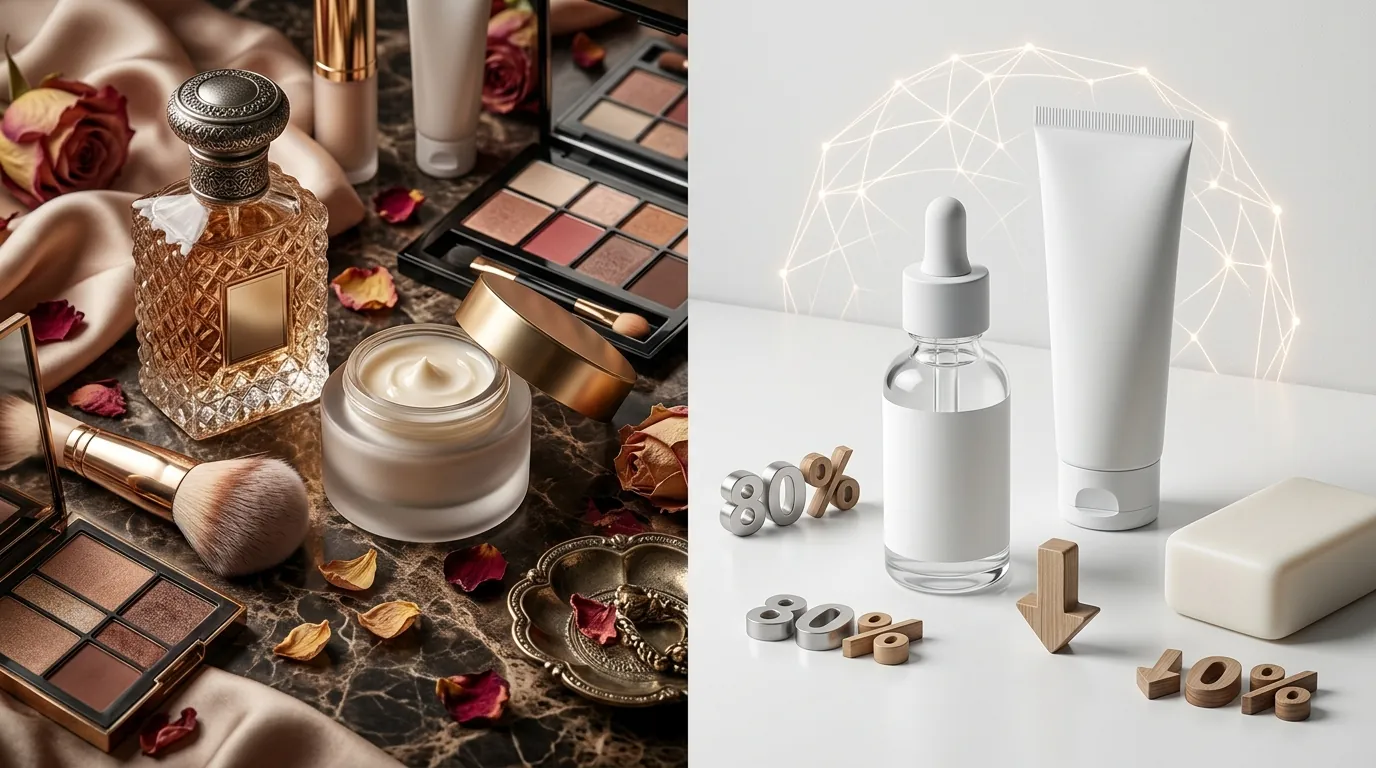
By moving to an AI-driven image workflow, the brand saw immediate improvements in both their bottom line and their Amazon search performance.
Cost and Efficiency Gains
The most dramatic shift was in the cost structure. By eliminating the need for physical sets, models, and photographers for every minor update, the brand slashed its overhead.
| Metric | Before (Traditional) | After (PixelMatch) | Improvement |
|---|---|---|---|
| Cost Per Listing | $150.00 | $12.00 | 92% Reduction |
| Time to Market | 21 Days | 1 Day | 95% Faster |
| Image Suppressions | 4-5 per month | 0 | 100% Reduction |
| Batch Limit | N/A (Manual) | [Unlimited/High-Volume] | Significant |
Performance Metrics
The “Rufus Effect” became visible in the brand’s Business Reports within 30 days of the update.
- Click-Through Rate (CTR): Increased from 1.2% to 3.4%. As Rufus began surfacing the listings for conversational queries, the contextual lifestyle images (visible in search results for some Rufus queries) drove more qualified clicks.
- Conversion Rate (Unit Session Percentage): Improved by 22%. Shoppers who asked Rufus a specific question (e.g., “Is it good for travel?”) found immediate visual confirmation in the listing, reducing the friction to purchase.
- Search Suppressions: By adhering to Amazon’s image size requirements and guaranteed RGB 255 backgrounds, the brand achieved a 0% suppression rate for the first time in two years.
Steps to Replicate
You can apply this same Rufus-first optimization strategy to your store today by following these steps.
- Audit for “Context Gaps”: Open your top 10 listings and ask Rufus three questions about them (e.g., “How do I store this?”, “Is it a good gift?”, “Can I use it at the beach?”). If your images don’t visually answer those questions, you have a context gap.
- Standardize Your Main Images: Use an AI background replacement tool to ensure every main image in your catalog is pure white RGB 255, 255, 255. Do not settle for “close enough.”
- Generate “Intent Clusters”: Don’t just make “nice” backgrounds. Use PixelMatch to generate scenes that represent specific buyer intents:
- The “Usage” Scene: The product in action or in its natural environment.
- The “Scale” Scene: The product next to common items (phone, keys, coins) to show size.
- The “Benefit” Scene: Visualizing the result (e.g., glowing skin, organized desk).
- Optimize for Zoom and Mobile: Set your export resolution to 2000 x 2000 pixels. This ensures that when a mobile shopper pinches to zoom, the texture of your product (crucial for beauty and fashion) remains crisp.
- Sync Alt-Text with Visuals: When uploading your new images to A+ content, ensure the Alt-Text describes the context you generated. If the image shows a “travel-sized serum in a carry-on,” the Alt-Text should say exactly that. This helps the COSMO algorithm index the image correctly.
Caveats and Honest Limitations
While AI generation is a massive leap forward for multi-platform sellers, it is not a “magic button” that works without oversight.
The Prompt Engineering Curve
Generic prompts like “product on a table” will result in generic, low-quality images that Rufus may ignore. To beat the competition, you must be specific about lighting (e.g., “soft golden hour sunlight,” “clinical laboratory lighting”) and depth of field. PixelMatch is designed to handle these nuances, but the quality of the output is still tied to the quality of your intent.
Complex Surfaces and Reflections
Beauty products often come in glass bottles or metallic packaging. While PixelMatch is better suited for high-volume catalog updates than Photoroom’s Pro tier, highly reflective or transparent surfaces can occasionally produce “refraction artifacts.” You should always perform a quick QA on your batch exports. About 5% of images featuring clear glass may still require a 30-second manual touch-up to ensure the liquid inside looks natural against the new AI-generated background.
The Evolving Algorithm
Amazon Rufus and the COSMO algorithm are not static. What works in July 2026 may be refined by 2027. Sellers must continuously monitor their “Search Query Performance” reports in Seller Central. If you notice a drop in “Brand Share” for a specific intent-based query, it’s time to generate a new set of contextual images to regain that Rufus recommendation.
Frequently Asked Questions
Does Amazon Rufus actually “see” what is in my images?
Yes, Rufus uses multi-modal LLMs (Large Language Models) that can process both text and visual data. By analyzing the pixels in your lifestyle images and A+ content, Rufus determines if your product matches the “common sense” context of a shopper’s query, such as “is this suitable for a professional office environment?”
Will using AI-generated images get my Amazon account suspended?
No, as long as the images accurately represent the product. Amazon’s policy focuses on truthful representation. You must ensure the product itself (the “foreground”) is a real photo of your item; the AI should only be used to generate the background and environment. PixelMatch handles this by “locking” your product pixels while swapping the surroundings.
How do I fix the “Non-Pure White Background” error in Seller Central?
This error occurs when your background is even one or two points off from RGB 255, 255, 255. To fix it, run your image through a dedicated AI background remover that explicitly anchors the output to pure white. Avoid using “magic eraser” tools that leave behind stray grey pixels or soft shadows.
What is the best image size for Amazon in 2026?
For optimal performance across desktop and mobile, aim for 2000 x 2000 pixels. While the absolute minimum for zoom is a specific pixel count, the 2000px standard provides a “future-proof” buffer for higher-resolution mobile displays and ensures your listing remains compliant with Amazon’s evolving high-definition requirements.
Ready to scale your listings?
PixelMatch generates white-background, lifestyle, and variant mockups from a single source photo — built specifically for multi-platform ecommerce sellers. 50 free images on signup, no credit card.
Start free →
Sources
- Amazon Seller Central: Product Image Requirements (Ref 1881)
- Amazon Rufus AI Shopping Assistant Official Page
- Amazon Science: COSMO Algorithm and Common Sense Search
- Photoroom Pricing and Batch Limits
- Jungle Scout: Costs of Amazon Product Photography